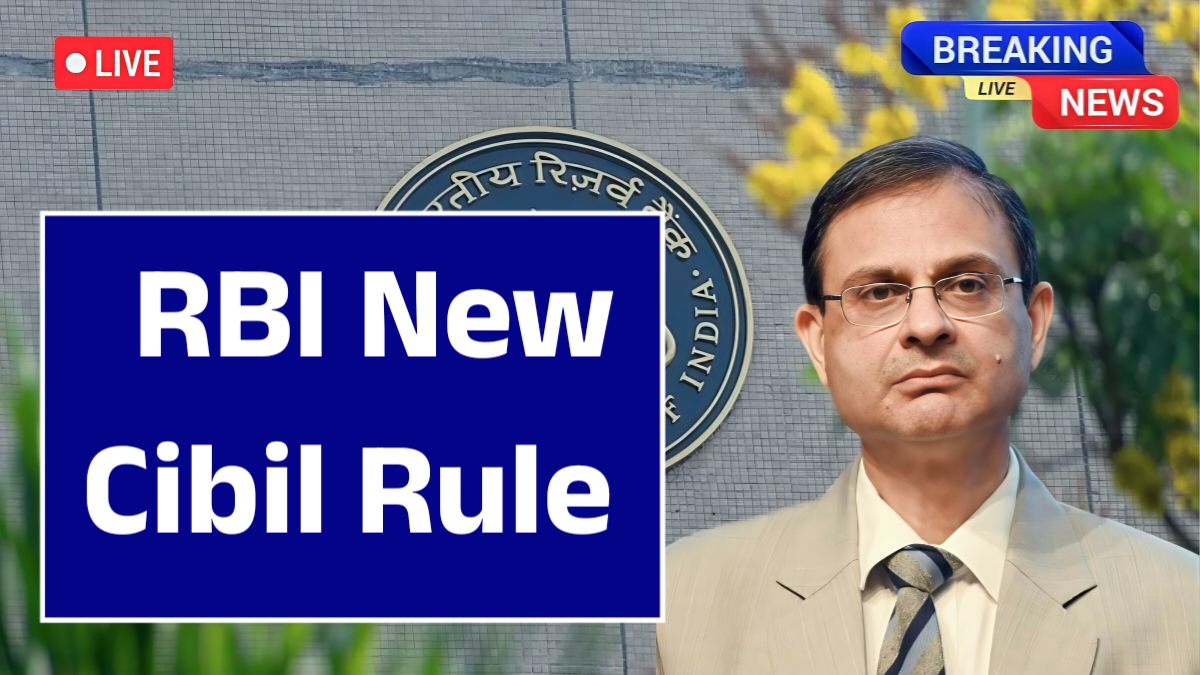
RBI New CIBIL Score Rules: The Reserve Bank of India (RBI) has introduced a major reform in the country’s credit reporting system, announcing new CIBIL score rules that will come into effect from January 1, 2025. These new guidelines are designed to make the credit system more transparent, faster, and consumer-friendly. For millions of borrowers across India, this change means better control over their credit health and quicker reflection of their financial activities in their CIBIL reports. The initiative marks a significant step toward strengthening trust between financial institutions and borrowers while ensuring smoother access to credit for all.
The CIBIL score plays a crucial role in determining an individual’s eligibility for loans, credit cards, and other financial products. However, delays in updates, limited transparency, and slow dispute resolution have often caused frustration among users. Recognizing these concerns, the RBI’s latest rules aim to address these issues head-on. By introducing bi-monthly updates, real-time transparency, and faster complaint resolution, the regulator is ensuring that the credit system becomes more efficient and fair. Let’s take a detailed look at what these new rules mean for borrowers and lenders alike.
Bi-Monthly Credit Reporting for Faster Updates
One of the most impactful changes under the new CIBIL score rules is the introduction of bi-monthly reporting. Until now, borrowers had to wait up to a month for any updates in their CIBIL score to appear after paying off debts or improving their financial behavior. From 2025 onwards, lenders will submit data every 15 days, giving borrowers a much faster reflection of their financial actions. This change can be especially beneficial for individuals applying for new credit cards or loans, as they can take advantage of an improved score without unnecessary delays.

This update will also help maintain a more accurate and current picture of a borrower’s credit profile. For lenders, it means they can assess loan applications based on the latest available information, leading to better lending decisions and reduced risk of defaults. For consumers, this regular refresh will serve as motivation to maintain good financial discipline, as their positive actions will be recognized almost in real time. The shift to twice-a-month updates marks a major modernization of India’s credit reporting infrastructure.
Greater Transparency in Credit Score Calculation
One of the biggest pain points for borrowers has been the lack of clarity around how their CIBIL score is calculated. Often, users are left guessing why their score dropped or didn’t improve, even after making timely payments. The new RBI rules directly address this by making credit reporting more transparent. Financial institutions will now be required to share detailed reasons behind a borrower’s credit score changes. This includes clear insights into missed payments, loan utilization levels, and the overall impact of financial behavior on the credit profile.
This transparency empowers consumers to take proactive steps to improve their creditworthiness. For instance, understanding that high credit utilization or multiple loan inquiries are affecting the score allows borrowers to correct their habits before applying for new credit. It also promotes accountability among lenders, ensuring they provide consistent and accurate data to credit bureaus. Overall, this move will help build trust in the credit system and encourage more Indians to participate responsibly in the formal lending ecosystem.

Enhanced Consumer Protection and Faster Dispute Resolution
Errors in credit reports have long been a source of stress for borrowers. A small mistake—like an incorrect outstanding balance or a wrongly reported default—can significantly affect a person’s ability to secure loans. The RBI’s new framework is designed to fix this issue with a stronger consumer protection mechanism. Under the revised process, financial institutions and credit bureaus must resolve complaints about inaccuracies much faster than before, giving borrowers a fair and timely way to correct errors.
Borrowers can now expect a shorter turnaround time for dispute resolutions, which will reduce the negative impact of erroneous data on their CIBIL scores. This not only safeguards consumers’ rights but also boosts confidence in the credit system. Additionally, faster resolutions will encourage borrowers to monitor their credit reports regularly, knowing that any discrepancy can be fixed promptly. The move underscores the RBI’s focus on creating a fair and transparent credit ecosystem that prioritizes consumer welfare.
Benefits for Borrowers and Lenders Alike
The new rules offer clear advantages to both borrowers and financial institutions. For borrowers, the biggest benefit is speed—improved credit scores will now show up sooner, allowing for faster access to loans, better interest rates, and improved financial credibility. It also makes credit monitoring more meaningful, as updates will align closely with real-time financial behavior. New-to-credit customers, such as young professionals and first-time borrowers, will also find it easier to enter the credit system, as lenders can rely on updated and transparent information.

For lenders, more frequent data updates translate to better risk management. With access to the most recent borrower data, banks and NBFCs can make more informed lending decisions and reduce exposure to bad loans. Additionally, a transparent and fair system fosters better relationships with customers, strengthening trust and long-term engagement. By modernizing the credit reporting process, the RBI is creating a win-win environment that supports financial growth while ensuring responsible lending practices.
How to Make the Most of the New CIBIL Score Rules
With the new rules coming into effect, borrowers should adopt a proactive approach to credit management. Regularly checking your CIBIL score every few weeks can help you stay aware of any changes and spot inaccuracies early. Maintaining good financial habits—such as paying credit card bills on time, keeping credit utilization below 30%, and avoiding unnecessary loan applications—can help you take full advantage of the bi-monthly update cycle.
In case of discrepancies, borrowers should immediately raise complaints with the credit bureau or their lender. The faster dispute resolution framework means such issues will be handled promptly. By staying vigilant and managing finances responsibly, consumers can leverage these reforms to build a strong and stable credit profile. The RBI’s initiative ultimately aims to empower borrowers, promote transparency, and make India’s credit ecosystem more inclusive and efficient.

Disclaimer: The information presented here is based on the Reserve Bank of India’s official guidelines announced for implementation from January 2025. Readers are advised to refer to official RBI notifications or authorized financial institutions for the latest and most accurate details.